


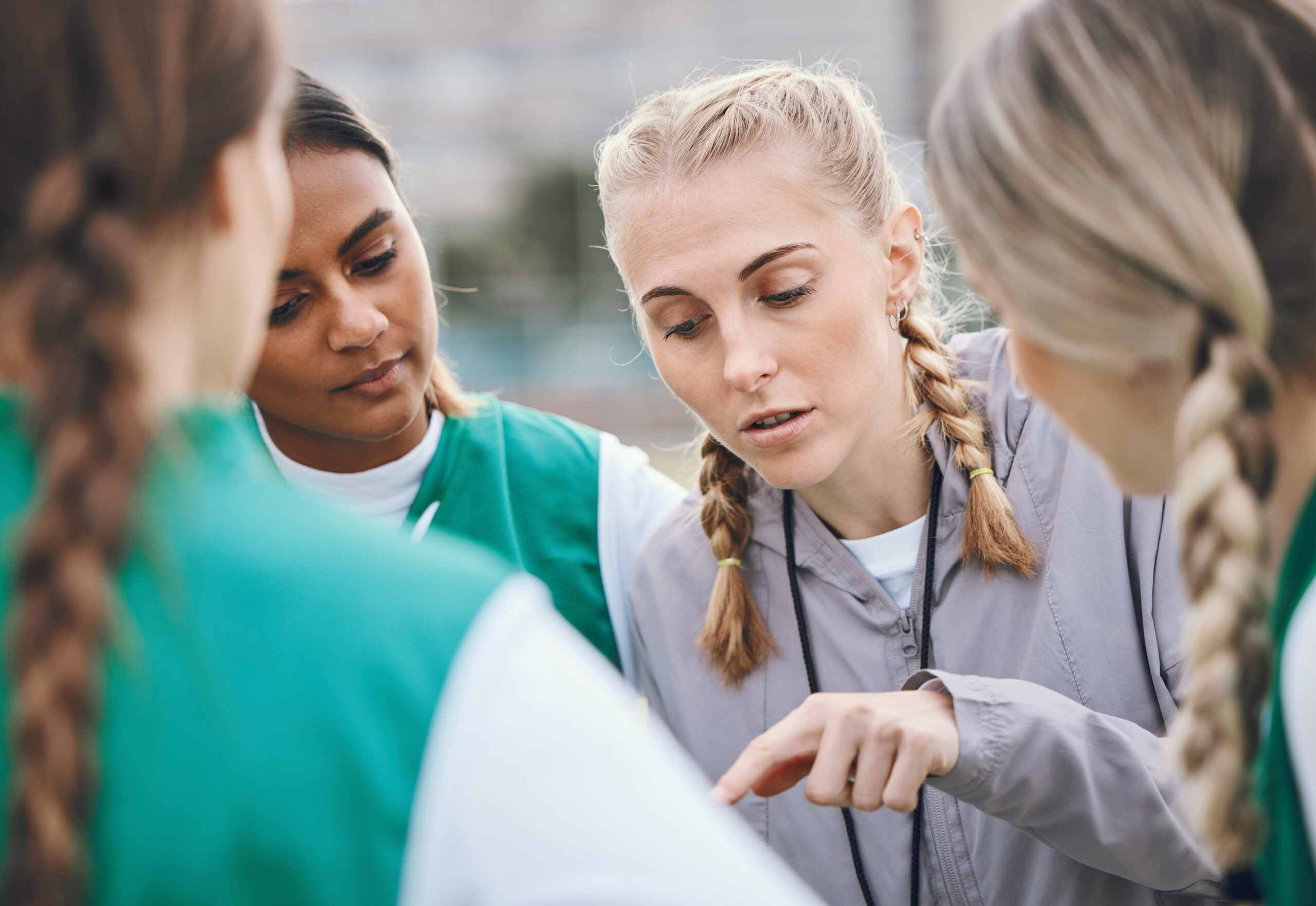
A Division I athletic program’s student-athlete advisory council sought to enhance their capacity to address conflicts arising from the unique dual pressures of academic and athletic excellence. Sports Conflict Institute was engaged to develop customized training modules and implement a train-the-trainer model that would create sustainable, peer-led conflict resolution capability within the student-athlete leadership structure.
Situation Overview
The student-athlete advisory council (SAAC) served as the primary voice for over 500 student-athletes across multiple sports, yet council members found themselves inadequately equipped to handle the conflicts they regularly encountered. These ranged from teammate disputes and coach-athlete tensions to academic-athletic balance issues and resource allocation disagreements. While the institution provided general leadership training, SAAC members faced unique challenges that generic programs didn’t address: representing diverse sport cultures, mediating between administration and athletes, managing peer conflicts while maintaining team relationships, and advocating for change within hierarchical athletic structures. The council recognized that developing internal conflict resolution capability would enhance their effectiveness and create lasting impact beyond individual tenures.
The Challenge
Student-athlete leaders face a complex web of conflicts that traditional student leadership or athletic training programs fail to address comprehensively. The transient nature of student leadership, with annual turnover, meant that any intervention needed to be sustainable beyond external consultation.
SAAC Leadership Complexity Factors:
- Dual role as team members and athlete advocates creating loyalty conflicts
- Power imbalances when addressing issues with coaches or administrators
- Cultural differences across individual versus team sports
- Time constraints balancing leadership duties with training and academics
- Peer mediation challenges while maintaining social relationships
- Annual leadership turnover requiring knowledge transfer systems
Without specialized training, SAAC members defaulted to avoidance or escalation when facing conflicts, missing opportunities for constructive resolution. The council needed capabilities that could be transferred peer-to-peer, ensuring continuity despite membership changes.
The SCI Approach
SCI developed a comprehensive train-the-trainer program that equipped SAAC members with immediately applicable conflict resolution skills while creating sustainable knowledge transfer mechanisms for future generations of student-athlete leaders.
Sustainable Capability Development Process
Phase 1: Needs Assessment & Gap Analysis
Collaborated with SAAC leadership to inventory existing training and identify skill gaps. Conducted focus groups to understand specific conflict scenarios faced by members. Analyzed institutional culture and athletic department dynamics affecting conflict patterns. Assessed readiness levels and learning preferences of diverse student-athlete population.
Phase 2: Custom Module Development
Created sport-specific conflict simulations based on real scenarios provided by SAAC members. Developed interactive training modules addressing teammate mediation, coach communication, and administrative advocacy. Built assessment tools for conflict diagnosis and intervention planning. Designed role-play exercises reflecting actual power dynamics and cultural contexts.
Phase 3: Train-the-Trainer Implementation
Delivered intensive training to core SAAC leadership group with teaching methodology instruction. Created facilitator guides enabling peer-led training sessions. Established mentorship structure pairing experienced with incoming leaders. Developed knowledge repository including videos, case studies, and quick reference guides for ongoing access.
Core Training Modules Developed
The customized curriculum addressed specific challenges faced by student-athlete leaders:
- Peer Mediation Skills: Techniques for resolving teammate conflicts while maintaining relationships
- Upward Communication: Strategies for addressing concerns with coaches and administrators
- Cross-Sport Diplomacy: Building consensus across diverse athletic cultures
- Crisis Response: Protocols for urgent conflict situations affecting team dynamics
- Advocacy Without Adversity: Presenting athlete concerns constructively
- Succession Planning: Knowledge transfer techniques for leadership transitions
Outcomes & Impact
The train-the-trainer program created immediate improvements while establishing sustainable capability for long-term impact:
100% of SAAC members reported increased confidence in conflict situations. Average conflict resolution time decreased by 50% for peer disputes. Successful mediation rate increased from 40% to 75% for trained leaders.
Reduction in conflicts escalating to athletic department administration by 60%. Improved SAAC meeting efficiency with structured problem-solving processes. Enhanced credibility of student-athlete voice in governance discussions.
Three generations of SAAC leadership successfully trained by peers. Training modules incorporated into standard leadership onboarding. Zero external training costs after initial program development.
Shift from conflict avoidance to proactive problem-solving culture. Cross-sport collaboration increased through shared training experiences. Alumni SAAC members applying skills in professional careers.
Five years post-implementation, the program continues through peer facilitation with modules updated annually based on emerging challenges. The model has been requested by other institutions seeking sustainable student-athlete leadership development.
Strategic Insight
This case demonstrates that sustainable capability development in transient organizations requires embedding knowledge transfer mechanisms from inception. The train-the-trainer model transforms one-time interventions into self-perpetuating systems that grow stronger through peer teaching and iterative refinement. For student-athlete populations facing unique conflicts at the intersection of athletics, academics, and personal development, generic leadership training proves insufficient. Success requires customized approaches that acknowledge power dynamics, time constraints, and cultural diversity while building practical skills applicable to immediate challenges. The investment in creating peer educators yields exponential returns as each generation strengthens the foundation for the next.
Related SCI Capabilities
This case exemplifies SCI’s expertise in sustainable training program development. Learn more about our methodologies:
Student-Athlete Leadership Development
Customized programs for athletic council and team captains
Train-the-Trainer Programs
Building sustainable internal training capability
Conflict Resolution Skills Training
Practical tools for managing athletic conflicts
Peer Mediation Development
Creating student-led conflict resolution systems
Build Lasting Leadership Capability
Create sustainable conflict resolution skills that transfer across generations of student-athlete leaders.