


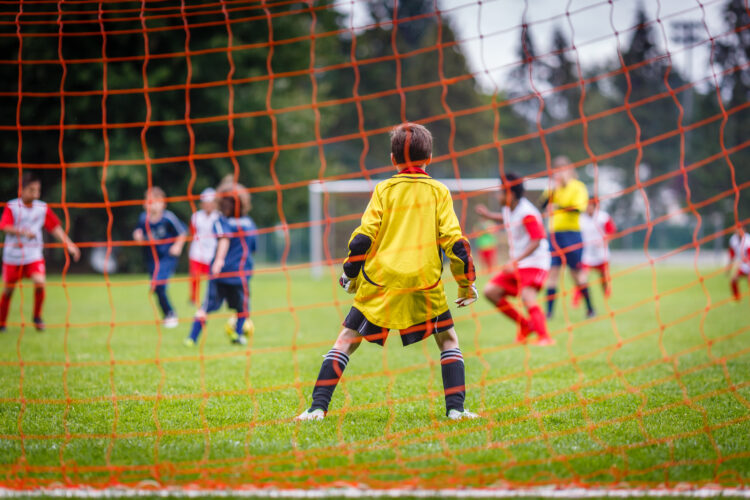
When a large youth sports organization serving thousands of participants faced escalating conflicts across multiple sports and age groups, they partnered with SCI to develop and implement one of the nation’s first Sports Ombuds programs. This pioneering initiative transformed conflict from organizational drain to systematic improvement opportunity.
Situation Overview
The youth sports organization operated programs across multiple sports serving elementary through middle school athletes in a major Pacific Northwest community. Despite passionate staff and dedicated volunteers, the organization faced recurring conflicts between coaches, between parents and coaches, and occasionally involving young athletes themselves. Traditional disciplinary approaches consumed significant administrative resources while failing to address root causes. Leadership recognized that without systematic conflict prevention and resolution mechanisms, these issues threatened program quality, volunteer retention, and ultimately, the positive youth development mission central to their work.
The Challenge
Youth sports organizations face unique conflict challenges where competitive intensity meets child development priorities. The organization struggled with multiple conflict streams: coaching philosophy disputes, parent boundary violations, player behavioral issues, and communication breakdowns across all levels. Each incident required significant staff time while potentially damaging the developmental environment for young athletes.
Key Complexity Factors:
- Multiple sports with varying cultures and conflict patterns
- Volunteer coaches with limited conflict resolution training
- Parent involvement ranging from over-engagement to absence
- Child safety requirements limiting traditional mediation approaches
Without systematic intervention, the organization risked volunteer burnout, decreased participation, potential liability exposure, and most critically, compromising the positive youth development experience that justified their existence. They needed a sustainable system that could prevent conflicts while addressing inevitable disputes constructively.
The SCI Approach
SCI designed and implemented a comprehensive Sports Ombuds program combining assessment, direct service, capacity building, and systemic improvement. The approach created multiple intervention points from prevention through resolution while building organizational capacity for sustainable conflict management.
Implementation Methodology
Phase 1: Needs Assessment & Program Design
Conducted comprehensive assessment identifying conflict patterns, stakeholder needs, and organizational capacity. Designed Ombuds structure balancing independence with integration, creating clear protocols for various conflict types while maintaining child safety priorities.
Phase 2: Direct Service & Intervention
Provided mediation for coach conflicts, facilitated parent-coach boundary setting meetings, and addressed youth behavioral incidents through restorative approaches. Developed age-appropriate intervention strategies maintaining focus on youth development while resolving adult conflicts.
Phase 3: Prevention & Capacity Building
Implemented quarterly reporting systems identifying systemic issues, delivered conflict coaching to staff and volunteers, and created bi-monthly Positive Engagement newsletters. Built internal capacity through training programs ensuring sustainability beyond initial implementation.
Outcomes & Impact
The Sports Ombuds program achieved transformative results across multiple dimensions:
Dramatic reduction in time-to-resolution with most conflicts addressed within days rather than festering across seasons
Quarterly reports identified patterns leading to policy improvements in coach retention, parent communication, and harassment guidelines
Shift from punitive to restorative approaches, with conflicts viewed as learning opportunities supporting youth development mission
The program established a national model for youth sports conflict resolution, demonstrating that systematic approaches can transform organizational culture while maintaining focus on positive youth development. The investment in conflict infrastructure yielded returns through improved volunteer retention, enhanced program quality, and strengthened community reputation.
Strategic Insight
This pioneering program proves that youth sports organizations can move beyond reactive discipline to proactive conflict systems. The Ombuds model provides independence necessary for trust while maintaining integration required for impact. Success requires viewing conflict not as failure but as diagnostic data revealing opportunities for systemic improvement. When organizations invest in conflict infrastructure, they protect their mission while modeling constructive problem-solving for young athletes.
Related SCI Capabilities
This case exemplifies SCI’s integrated approach to sports conflict resolution. Learn more about our systematic methodologies:
External Ombuds Services
Independent conflict resolution systems for sports organizations
Conflict Coaching
Building internal capacity for conflict prevention and resolution
Research and Evaluation
Evidence-based assessment and program design
The Sports Playbook
Building championship culture through character and clarity
Transform Conflict into Competitive Advantage
Every conflict contains opportunity. Let SCI’s systematic approach protect your performance and reputation.