


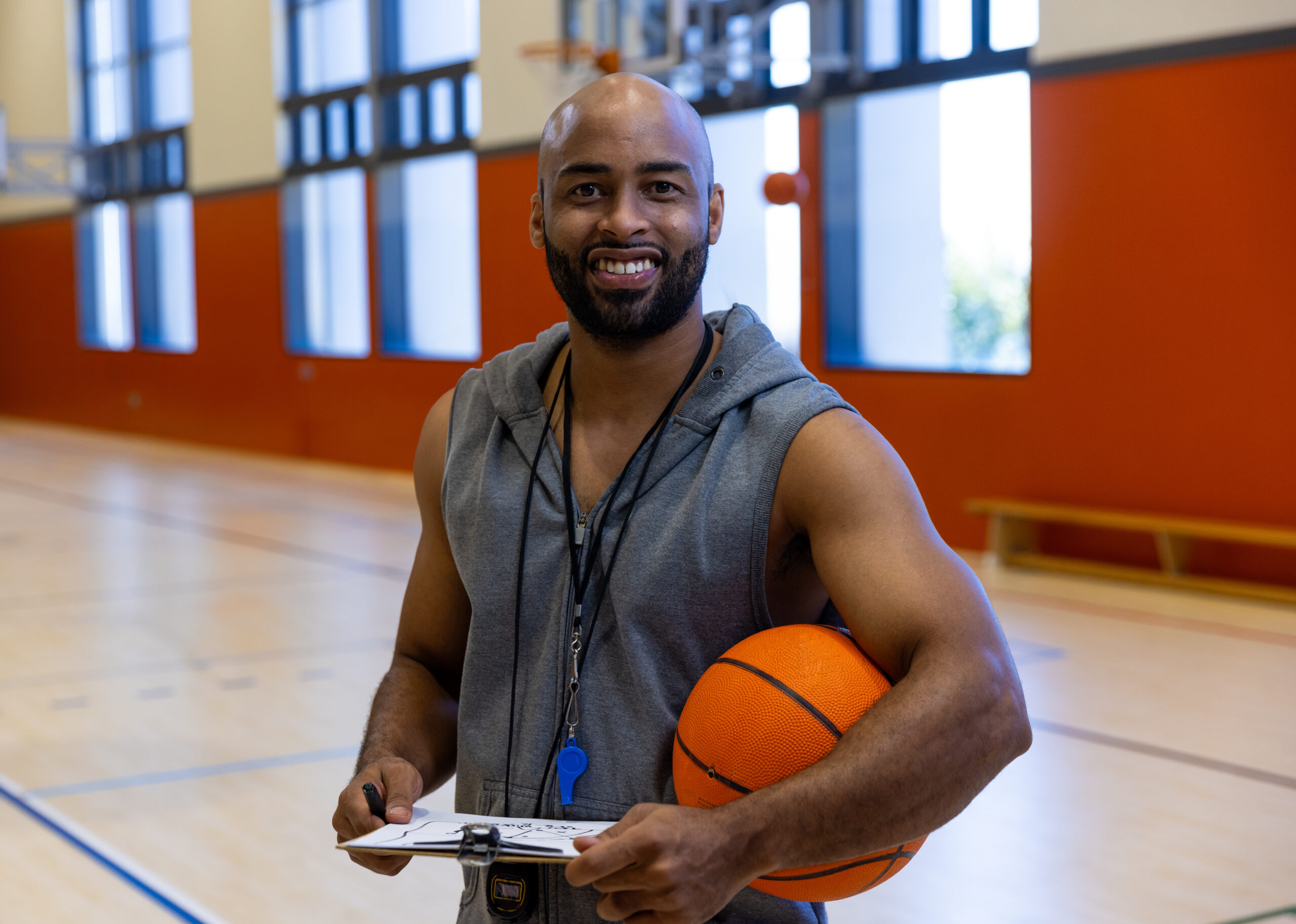
A nationally-recognized youth basketball camp sought to enhance its programming beyond traditional skill development to include cognitive and emotional growth components. Sports Conflict Institute was engaged to assess current practices, develop customized observation tools, and provide real-time coaching feedback that would transform how instructors engaged with young athletes during high-intensity camp environments.
Situation Overview
The basketball camp, serving hundreds of youth athletes annually, had built a strong reputation for technical skill development and competitive gameplay. However, leadership recognized a critical gap: while campers improved their basketball abilities, the program wasn’t systematically addressing the cognitive and emotional skills essential for both athletic and life success. The camp’s mission statement emphasized holistic development, but daily operations focused almost exclusively on physical skills and game performance. Coaches, despite their technical expertise, lacked tools to identify and address emotional conflicts, cognitive development opportunities, and interpersonal dynamics that significantly impacted camper experience and growth. Previous years had seen increasing incidents of unresolved conflicts, emotional outbursts, and early departures that suggested deeper systemic issues.
The Challenge
Youth sports camps operate in intense, fast-paced environments where coaches must simultaneously manage skill instruction, safety, competition, and the complex emotional needs of developing athletes. Traditional coaching preparation emphasizes technical expertise but rarely provides tools for systematic observation and intervention in cognitive and emotional development.
Camp Environment Complexity Factors:
- High coach-to-camper ratios limiting individual attention
- Invisible conflicts occurring outside direct coach observation
- Cognitive learning opportunities lost in focus on physical execution
- Emotional regulation challenges masked by competitive intensity
- Lack of systematic tools for non-physical skill assessment
- Gap between mission statement values and operational implementation
Without intervention, the camp risked perpetuating a narrow definition of athletic development, missing critical opportunities to develop resilient, emotionally intelligent athletes, and potentially losing market position to programs offering more comprehensive development approaches.
The SCI Approach
SCI implemented a comprehensive observation and feedback system using the Sports Conflict Observation Tools (SCOTS) methodology, customized for basketball camp environments and designed to capture cognitive and emotional development opportunities in real-time.
Systematic Observation Implementation
Phase 1: Mission Alignment & Tool Customization
Analyzed camp mission statement and identified specific cognitive and emotional competencies to develop. Customized SCOTS basketball observation tools to capture decision-making, emotional regulation, conflict resolution, leadership, and teamwork behaviors. Created observation protocols allowing systematic data collection without disrupting camp flow. Trained SCI observers on camp-specific contexts and developmental priorities.
Phase 2: Real-Time Observation & Feedback
Deployed trained observers throughout camp activities capturing both technical and developmental behaviors. Provided immediate feedback to coaches during timeouts and breaks using observation data. Identified conflict incidents and emotional regulation opportunities invisible to coaching staff. Created heat maps showing where cognitive and emotional development opportunities clustered.
Phase 3: Coaching Integration & Sustainability
Facilitated daily debriefs translating observation data into coaching adjustments. Developed quick intervention strategies for common cognitive and emotional scenarios. Created simplified observation tools for coaches to use independently. Established sustainable practices for ongoing developmental focus beyond consultant engagement.
Critical Discoveries Through Systematic Observation
The SCOTS observation system revealed numerous invisible dynamics:
- Conflict patterns emerged during transitions and downtime, not during structured activities
- High-performing athletes often struggled most with emotional regulation
- Cognitive learning accelerated when coaches asked questions rather than gave instructions
- Peer teaching moments provided richest developmental opportunities
- Non-verbal conflicts frequently escalated due to lack of early intervention
- Camper retention correlated strongly with emotional support, not skill improvement
Outcomes & Impact
The systematic observation and real-time feedback approach transformed both coach behavior and camper experience:
Achieved lowest complaint and early departure rate in six-year camp history. Conflict resolution time decreased by 70% through early intervention. Parent satisfaction scores increased by 35% citing holistic development.
Coaches reported 85% increase in awareness of non-physical development opportunities. Intervention strategies expanded from 3 to 15 evidence-based approaches. Coach retention improved due to enhanced skill set and reduced stress.
Measurable improvements in decision-making speed and accuracy. Documented increase in peer support and collaborative behaviors. Enhanced emotional regulation particularly in competitive situations.
Mission-to-operation alignment increased from 40% to 85% based on observation metrics. Camp differentiated in market as comprehensive development program. Tools and practices sustained through three subsequent seasons.
The camp has integrated modified observation tools into standard practice, with senior coaches mentoring junior staff in cognitive and emotional development techniques. The program now markets its comprehensive approach as a key differentiator.
Strategic Insight
This case reveals that youth sports programs often fail to capitalize on rich developmental opportunities occurring outside formal instruction. The gap between mission statements emphasizing holistic development and operations focused solely on physical skills represents both a failure and an opportunity. Systematic observation tools make invisible dynamics visible, enabling coaches to intervene in moments of highest developmental potential. The transformation from intuitive to evidence-based coaching doesn’t require abandoning traditional methods but rather augmenting them with structured observation and feedback systems. Success depends on providing coaches with simple, actionable tools that integrate seamlessly into existing routines while dramatically expanding their impact on athlete development.
Related SCI Capabilities
This case exemplifies SCI’s expertise in youth sports development and systematic observation. Learn more about our methodologies:
Sports Conflict Observation Tools (SCOTS)
Systematic observation methodology for sports environments
Youth Sports Development Programs
Comprehensive approaches to cognitive and emotional growth
Coach Development & Training
Building holistic coaching capabilities beyond technical skills
Program Assessment & Alignment
Ensuring operational practices match organizational mission
Transform Youth Sports Beyond Physical Skills
Develop the cognitive and emotional capabilities that create resilient, successful athletes and leaders.