


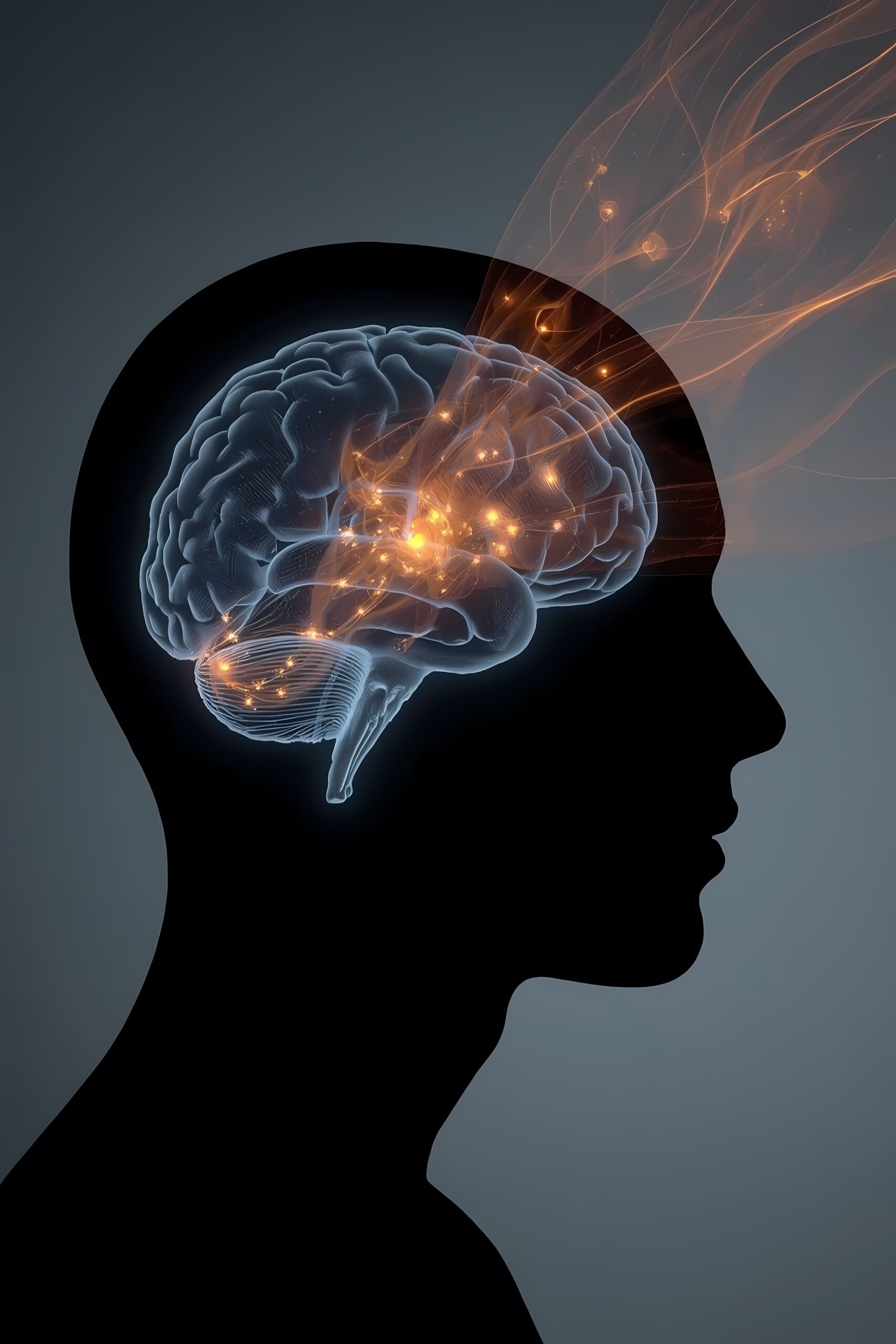
Jonathan Mills demonstrates how systematic mindfulness training addresses the 90% mental component of sports that teams routinely neglect. His integrated approach combining body scans, visualization, and self-compassion practices offers collegiate programs a competitive edge through enhanced attention control, perfectionism management, and team cohesion—transforming mental performance from afterthought to strategic advantage.
Executive Summary
The Gap: While athletes acknowledge sports are “90% mental,” training time remains overwhelmingly physical, creating a competitive disadvantage for teams neglecting systematic mental skills development.
The Framework: Integrated mindfulness training combining body awareness, visualization, and self-compassion provides measurable improvements in attention control, emotional regulation, and performance resilience.
The Implementation: Structured workshops introducing foundational practices, combined with DISC behavioral assessments, create sustainable mental performance cultures that enhance both individual excellence and team cohesion.
Jonathan Mills, mental performance consultant and co-founder of Core Mental Performance, brings a unique perspective to collegiate athletic development. As both a doctoral student in clinical psychology at Seattle Pacific University and director of assessment and performance for the Sports Conflict Institute, Mills bridges the traditional divide between performance enhancement and mental health support. His research on athletic identity, perfectionism, and anxiety reveals critical insights into the psychological challenges facing today’s student-athletes.
The timing of Mills’ work proves particularly relevant as collegiate athletics grapples with unprecedented mental health challenges. Recent NCAA surveys indicate that 69% of female student-athletes and 63% of male student-athletes report knowing a teammate with mental health concerns.1 Yet despite widespread acknowledgment that sports are primarily mental, training regimens remain disproportionately physical. Mills’ framework offers a practical solution: treating mental skills as trainable competencies requiring the same systematic development as physical abilities.
This analysis examines three critical dimensions of Mills’ approach: first, the foundational mindfulness practices that develop attention control and emotional regulation; second, the perfectionism paradox that transforms elite athletes’ greatest strength into potential vulnerability; and third, the integration strategies that embed mental performance training into team culture. Mills’ workshop model, refined through extensive work with collegiate basketball teams, demonstrates how programs can close the mental-physical training gap while building sustainable competitive advantages.
Foundational Practices: Building the Mental Gymnasium
Mills’ analogy of mental training as “going to the gym for your mind” reframes psychological skills development from abstract concept to concrete practice. This reconceptualization proves essential for athletes accustomed to physical training’s tangible nature. Just as athletes understand that jump shots require repetition and strength demands progressive overload, Mills positions mindfulness as a skill requiring similar systematic development.2 The parallel extends beyond metaphor—neuroplasticity research confirms that mental training produces measurable brain changes comparable to physical training’s muscular adaptations.
The body scan exercise Mills demonstrates represents entry-level mental training, accessible yet powerful. By guiding athletes through progressive relaxation using color visualization, he addresses multiple objectives simultaneously: developing body awareness, practicing attention control, and introducing non-judgmental observation. The “calming color” technique proves particularly effective for athletes who struggle with traditional meditation’s abstract nature. Research indicates that combining visual imagery with progressive muscle relaxation enhances both physiological and psychological recovery more effectively than either technique alone.3
Mills’ emphasis on dispelling mindfulness misconceptions—the “Om fallacy,” the relaxation-only myth, the mind control fantasy—proves crucial for athletic populations. Many athletes associate mindfulness with passivity, antithetical to competitive drive. By featuring Kobe Bryant, LeBron James, and Stephen Curry discussing their mindfulness practices, Mills leverages social proof to overcome resistance. George Mumford’s work with Michael Jordan’s Bulls provides historical validation that mindfulness enhances rather than diminishes competitive edge.4 This reframing from “soft skill” to “competitive advantage” proves essential for buy-in.
The foundational attitudes Mills introduces—non-judging, patience, trust, non-striving, letting go, acceptance, commitment, discipline, and intentionality—map directly to athletic performance challenges. Non-judging helps athletes move past mistakes quickly. Patience develops resilience through slumps. Trust enables team cohesion. The “beginner’s mind” concept proves particularly valuable for experienced athletes who must continually refine fundamentals. By translating Buddhist concepts into athletic language, Mills makes ancient wisdom accessible to modern competitors.
Case Illustration: LeBron’s Bench Meditation
Mills highlights LeBron James’ courtside meditation practice—eyes closed, breathing deeply during timeouts—as practical mindfulness application. This visible demonstration by basketball’s most prominent athlete normalizes mental training, showing that elite performers actively use these techniques during competition, not just in practice. The image counters perceptions that mindfulness requires isolation or special conditions.
The Perfectionism Paradox: When Excellence Becomes Enemy
Adaptive Versus Maladaptive Perfectionism
Mills’ research on perfectionism addresses a fundamental tension in elite athletics: the very trait driving success can precipitate failure. Adaptive perfectionism—high personal standards combined with organized approach—correlates with athletic achievement. However, maladaptive perfectionism—characterized by excessive concern over mistakes and doubts about actions—predicts anxiety, burnout, and performance deterioration.5 The distinction proves critical for collegiate athletes transitioning from environments where their perfectionism guaranteed success to competitive levels where failure becomes inevitable.
The “gap” Mills identifies between standards and perceived achievement becomes the critical intervention point. Elite athletes typically respond to this gap with harsh self-criticism, believing that self-punishment motivates improvement. Research contradicts this assumption—self-criticism activates threat detection systems, elevating cortisol and impairing cognitive function necessary for skill acquisition.6 Mills’ framework redirects this gap from self-attack opportunity to growth catalyst through structured response protocols.
The college athletic context intensifies perfectionism’s double edge. Athletes arrive as local legends, accustomed to dominance. Suddenly surrounded by equivalent talent, previous success strategies fail. Mills’ observation that college athletes “usually met” their high standards throughout careers until reaching current levels captures this transition’s psychological violence. Without intervention, maladaptive perfectionism emerges as athletes desperately intensify failing strategies, creating downward performance spirals that traditional coaching approaches often exacerbate.
Self-Compassion as Performance Tool
Mills’ introduction of self-compassion represents paradigm disruption for competitive athletes. The exercise—saying “I love you and I don’t want you to suffer” to oneself—deliberately provokes discomfort, highlighting how foreign self-kindness feels to elite competitors. This discomfort reveals deeply embedded beliefs equating self-criticism with motivation and self-compassion with weakness. Mills’ facilitation of group discussion about this discomfort transforms individual resistance into collective recognition, normalizing the challenge while maintaining the imperative for change.
Self-compassion’s three components—self-kindness, common humanity, and mindfulness—directly address athletic performance challenges. Self-kindness replaces destructive internal dialogue with constructive coaching voice. Common humanity reminds athletes that mistakes and struggles are universal rather than personal failures. Mindfulness enables balanced perspective rather than over-identification with negative experiences.7 Mills positions these not as replacements for competitive drive but as sustainable alternatives to self-destruction.
The performance benefits of self-compassion contradict athletic mythology about harsh self-treatment. Athletes practicing self-compassion show greater motivation following failure, improved ability to accept coaching feedback, and enhanced resilience during competition.8 Mills’ approach legitimizes self-compassion through performance metrics rather than wellness arguments, speaking the language athletes understand. By framing self-compassion as competitive advantage rather than therapeutic intervention, he bypasses resistance while delivering mental health benefits.
Athletic Identity and Mental Health
Mills’ research focus on athletic identity reveals another critical dimension of collegiate athlete psychology. Strong athletic identity predicts numerous positive outcomes: commitment, enjoyment, and performance. However, exclusive athletic identity—when sport becomes sole source of self-worth—creates vulnerability to depression, anxiety, and career transition difficulties.9 The perfectionism-identity intersection proves particularly volatile: perfectionist athletes with exclusive athletic identity experience amplified distress when performance falls short.
The distinction Mills draws between performance enhancement and clinical support proves essential. While mental performance consultants address competitive functioning, underlying mental health issues require licensed practitioners. This boundary clarifies scope while ensuring appropriate care access. Mills’ dual training—performance consultant and clinical psychology doctoral student—positions him uniquely to recognize when performance issues mask clinical concerns, facilitating appropriate referrals while maintaining performance focus.
Attention Training Framework for Athletes
Focused Attention: Free throw shooting, defensive assignment tracking, shot selection → Single-point concentration
Open Attention: Court vision, transition awareness, defensive rotations → Broad environmental monitoring
Internal Focus: Strategy recall, emotional regulation, self-talk management → Cognitive/emotional awareness
External Focus: Opponent movement, teammate positioning, game clock → Environmental engagement
Meta-Attention: Noticing attention drift, recognizing optimal focus state, intentional attention shifting → Awareness of awareness
Integration Strategies: From Workshop to Culture
Visualization as Preparation Protocol
Mills’ visualization exercise transcends simple mental rehearsal, incorporating comprehensive sensory engagement and emotional regulation. By guiding athletes through detailed environmental reconstruction—from concession stand smells to uniform textures—he develops what sport psychologists term “functional equivalence,” where imagined practice activates neural pathways identical to physical performance.10 The specificity matters: generic visualization shows minimal benefit, while situation-specific imagery matching actual competitive conditions enhances performance measurably.
The deliberate inclusion of mistake visualization with recovery planning represents sophisticated psychological preparation. Most athletes avoid imagining failure, believing it programs negative outcomes. Mills’ approach—visualizing mistakes then rehearsing resilient responses—builds what researchers term “coping imagery,” proven more effective than success-only visualization for managing competitive pressure.11 By normalizing mistakes within visualization, athletes develop response protocols before emotional hijacking occurs during actual competition.
The collective visualization component—feeling teammate connection, imagining huddle dynamics—addresses team cohesion through mental rehearsal. This social imagery activates mirror neuron systems associated with empathy and coordination, potentially enhancing on-court chemistry.12 Mills’ emphasis on “not as individuals, but as a collected unit” during visualization primes collective identity, crucial for team sport success where individual excellence without coordination proves insufficient.
DISC Assessment and Behavioral Understanding
The integration of DISC behavioral assessments into mental performance training represents systematic approach to team dynamics optimization. DISC—measuring Dominance, Influence, Steadiness, and Conscientiousness—provides objective framework for understanding behavioral diversity within teams.13 Mills’ emphasis that “no one is better than the other” preempts hierarchical thinking while validating different contributions. Understanding behavioral profiles enables targeted mental skills training: dominant styles might benefit from patience practices, while steady styles might need assertiveness development.
The coach-athlete interaction dimension proves particularly valuable. Coaches unconsciously favor athletes matching their behavioral style, potentially underutilizing players with complementary strengths. DISC awareness enables conscious coaching adaptation, maximizing each athlete’s development regardless of style alignment. Mills’ point about “guide some of the workshops” based on team composition reflects sophisticated program customization—a team dominated by high-conscientiousness athletes needs different mental training than one characterized by high-influence styles.
The partnership between Core Mental Performance and Sports Conflict Institute leverages DISC for conflict prevention and resolution. Team conflicts often stem from behavioral misunderstandings rather than genuine disagreements. When dominant-style athletes interpret steady-style teammates’ caution as lack of commitment, or influential-style players perceive conscientious-style colleagues as negative, unnecessary friction emerges. DISC provides neutral language for discussing differences, transforming potential conflicts into complementary partnerships.
Sustainable Implementation Through Goal Architecture
Mills’ workshop conclusion—collaborative creation of team and individual process goals—ensures sustainable implementation beyond one-time intervention. The “We will” team achievement goal, developed with coaching staff, establishes collective intention transcending win-loss records. This process-focused approach aligns with goal-setting research showing that outcome goals (championships) prove less effective than process goals (daily improvement) for sustained motivation and performance.14 By involving athletes in goal creation, Mills generates ownership essential for voluntary engagement.
Individual “I will” statements supporting team goals create accountability architecture. Mills’ example—”I will be resilient by showing up early and practicing self-compassion”—demonstrates concrete behavioral commitments rather than abstract aspirations. This specificity enables progress monitoring while maintaining flexibility for individual interpretation. The public declaration aspect, sharing goals with teammates, activates social accountability mechanisms proven to enhance goal achievement.15
The 90-minute workshop format Mills describes balances comprehensive introduction with practical constraints. The structured progression—rapport building, education, practice, debrief, application—follows established adult learning principles while respecting athletic attention spans. His flexibility for “ongoing conversation” recognizes that mental performance development requires iterative engagement rather than single exposure. This workshop-plus-follow-up model enables initial culture shift while building foundation for sustained development.
Mental Performance Implementation Framework
Phase 1: Assessment and Buy-In
Administer DISC behavioral assessments to establish baseline team dynamics. Conduct introductory workshop featuring elite athlete examples and experiential practices. Establish team and individual process goals collaboratively.
Phase 2: Skill Development
Weekly 20-minute team mindfulness sessions focusing on rotation through body scan, visualization, and breath work. Individual consultation for athletes showing interest or need. Integration of mental skills into existing practice routines.
Phase 3: Competition Integration
Pre-game visualization protocols tailored to opponent and venue. In-game breathing techniques for pressure situations. Post-game self-compassion practices for processing performance.
Phase 4: Culture Embedding
Peer mentorship programs pairing experienced practitioners with newcomers. Regular DISC-informed team building addressing behavioral diversity. Annual reassessment and program refinement based on performance metrics.
“Focus your attention on the right thing at the right time every time.”
— Jonathan Mills’ Framework for Athletic Attention Management
Practical Applications for Collegiate Programs
For Athletic Directors:
Recognize mental performance training as essential infrastructure equivalent to strength and conditioning programs. Allocate budget for systematic mental skills development rather than crisis-response counseling alone. Consider partnerships with qualified consultants who bridge performance and mental health domains. Implement DISC assessments across all programs to optimize team dynamics and prevent conflicts.
For Coaches:
Integrate brief mindfulness practices into existing training routines rather than viewing mental training as separate activity. Use visualization during film sessions to enhance tactical learning. Model self-compassion in response to mistakes, demonstrating that accountability doesn’t require self-destruction. Adapt coaching style based on DISC profiles rather than expecting all athletes to respond identically.
For Athletes:
Approach mental training with same commitment as physical conditioning—both require consistent practice for improvement. Experiment with different techniques (body scan, visualization, breath work) to identify personal preferences. Practice self-compassion as performance tool, not weakness. Use attention training to enhance both practice efficiency and game performance.
For Sport Psychology Consultants:
Build credibility through elite athlete examples and performance-focused language rather than wellness arguments. Address common misconceptions explicitly before introducing practices. Create structured progressions from basic to advanced techniques. Maintain clear boundaries between performance consultation and clinical intervention while ensuring appropriate referral pathways.
Conclusion
Jonathan Mills’ comprehensive approach to mental performance training addresses a fundamental imbalance in collegiate athletics: the persistent neglect of mental development despite universal acknowledgment of its importance. His framework transforms abstract concepts into concrete practices, making mental training as tangible and systematic as physical conditioning. By combining mindfulness practices, perfectionism management, and behavioral assessment, Mills offers programs a complete mental performance ecosystem rather than fragmented interventions.
The perfectionism paradox Mills identifies—where athletes’ greatest strength becomes their greatest vulnerability—demands particular attention in collegiate settings. The transition from dominant local athlete to struggling collegiate competitor creates psychological crises traditional coaching cannot address. Mills’ self-compassion intervention provides sustainable alternative to self-destructive perfectionism while maintaining competitive drive. This balance between excellence pursuit and psychological sustainability may determine which athletes thrive versus merely survive collegiate competition.
The integration of DISC behavioral assessment with mental performance training represents evolution from generic to customized intervention. Understanding that different behavioral styles require different mental training approaches enables targeted development maximizing individual potential while optimizing team dynamics. This personalization, combined with systematic implementation protocols, transforms mental performance from luxury to necessity for competitive programs.
Ultimately, Mills’ work challenges collegiate athletics to close the rhetoric-reality gap regarding mental performance. If sports truly are “90% mental,” training allocations should reflect this proportion. The tools Mills provides—from body scans to visualization protocols to self-compassion practices—offer practical pathways for this rebalancing. As mental health challenges intensify across collegiate athletics, Mills’ preventive approach through systematic skill development offers hope for building resilient athletes capable of excellence without self-destruction. The question isn’t whether programs can afford mental performance training, but whether they can afford to continue neglecting it.
Sources
1 NCAA Research, NCAA STUDENT-ATHLETE MENTAL HEALTH AND WELL-BEING SURVEY (2023), available at https://www.ncaa.org/sports/2022/5/18/mental-health-survey.aspx.
2 Jon Kabat-Zinn, WHEREVER YOU GO, THERE YOU ARE: MINDFULNESS MEDITATION IN EVERYDAY LIFE (Hyperion 1994).
3 Robert S. Weinberg & Daniel Gould, FOUNDATIONS OF SPORT AND EXERCISE PSYCHOLOGY (7th ed., Human Kinetics 2019).
4 George Mumford, THE MINDFUL ATHLETE: SECRETS TO PURE PERFORMANCE (Parallax Press 2015).
5 Andrew P. Hill et al., Perfectionism and Athlete Burnout in Junior Elite Athletes: A Three-Month Longitudinal Study, 31 J. SPORT & EXERCISE PSYCHOL. 365 (2008).
6 Paul Gilbert & Chris Irons, Focused Therapies and Compassionate Mind Training for Shame and Self-Attacking, in COMPASSION: CONCEPTUALISATIONS, RESEARCH AND USE IN PSYCHOTHERAPY 263 (Paul Gilbert ed., 2005).
7 Kristin D. Neff, Self-Compassion: An Alternative Conceptualization of a Healthy Attitude Toward Oneself, 2 SELF & IDENTITY 85 (2003).
8 Amber D. Mosewich et al., Self-Compassion: A Potential Resource for Young Women Athletes, 33 J. SPORT & EXERCISE PSYCHOL. 103 (2011).
9 Britton W. Brewer & Albert J. Petitpas, Athletic Identity Foreclosure, 20 CURRENT OPINION PSYCHOL. 118 (2018).
10 Aidan Moran et al., Mental Imagery in Athletes: Where Are We Now and Where Do We Go From Here?, 15 INT’L REV. SPORT & EXERCISE PSYCHOL. 132 (2022).
11 Jennifer Cumming & Richard Ramsey, Imagery Interventions in Sport, in ADVANCES IN APPLIED SPORT PSYCHOLOGY 5 (Stephen D. Mellalieu & Sheldon Hanton eds., 2009).
12 Giacomo Rizzolatti & Laila Craighero, The Mirror-Neuron System, 27 ANN. REV. NEUROSCIENCE 169 (2004).
13 William Moulton Marston, EMOTIONS OF NORMAL PEOPLE (1928); see also Wiley, EVERYTHING DISC MANUAL (2023).
14 Edwin A. Locke & Gary P. Latham, A THEORY OF GOAL SETTING & TASK PERFORMANCE (Prentice-Hall 1990).
15 Robert B. Cialdini, INFLUENCE: THE PSYCHOLOGY OF PERSUASION (Rev. ed., Harper Business 2006).
Note: Workshop demonstration by Jonathan Mills for Sports Conflict Institute (2024). All citations follow Bluebook format.
About the Author
Jonathan Mills serves as Director of Assessment and Performance for the Sports Conflict Institute and co-founder of Core Mental Performance. Currently pursuing his doctorate in Clinical Psychology at Seattle Pacific University, he specializes in athletic identity, perfectionism, and anxiety in student-athletes. Read full bio →
Transform Your Team’s Mental Performance
Comprehensive assessment and training to unlock competitive advantage through mental skills
Related Services
DISC Behavioral Profiles for Sport
Comprehensive behavioral assessment to optimize team dynamics and individual development
Learn More →Team Culture Development
Build resilient, high-performing cultures through systematic assessment and intervention
Explore Services →